
![Iran Oil Gas [JAN26] 678X250](/media/ie4jxrad/iran_oil-gas-jan26-678x250.jpg?width=920&height=380&v=1dcaa65ecaf4300)
Aramco Seeks to Reroute Crude via East-West Pipeline Amid Hormuz Disruptions
Saudi Aramco is rerouting crude exports through its 5 million bpd East-West Pipeline to the Red Sea to bypass Strait of Hormuz disruptions, highlighting logistical constraints and infrastructure risk.
(Reuters) — Saudi oil giant Aramco is attempting to reroute some of its crude exports to the Red Sea to bypass the Strait of Hormuz where the risk of attacks has slowed shipping to a near halt, sources said on March 3.
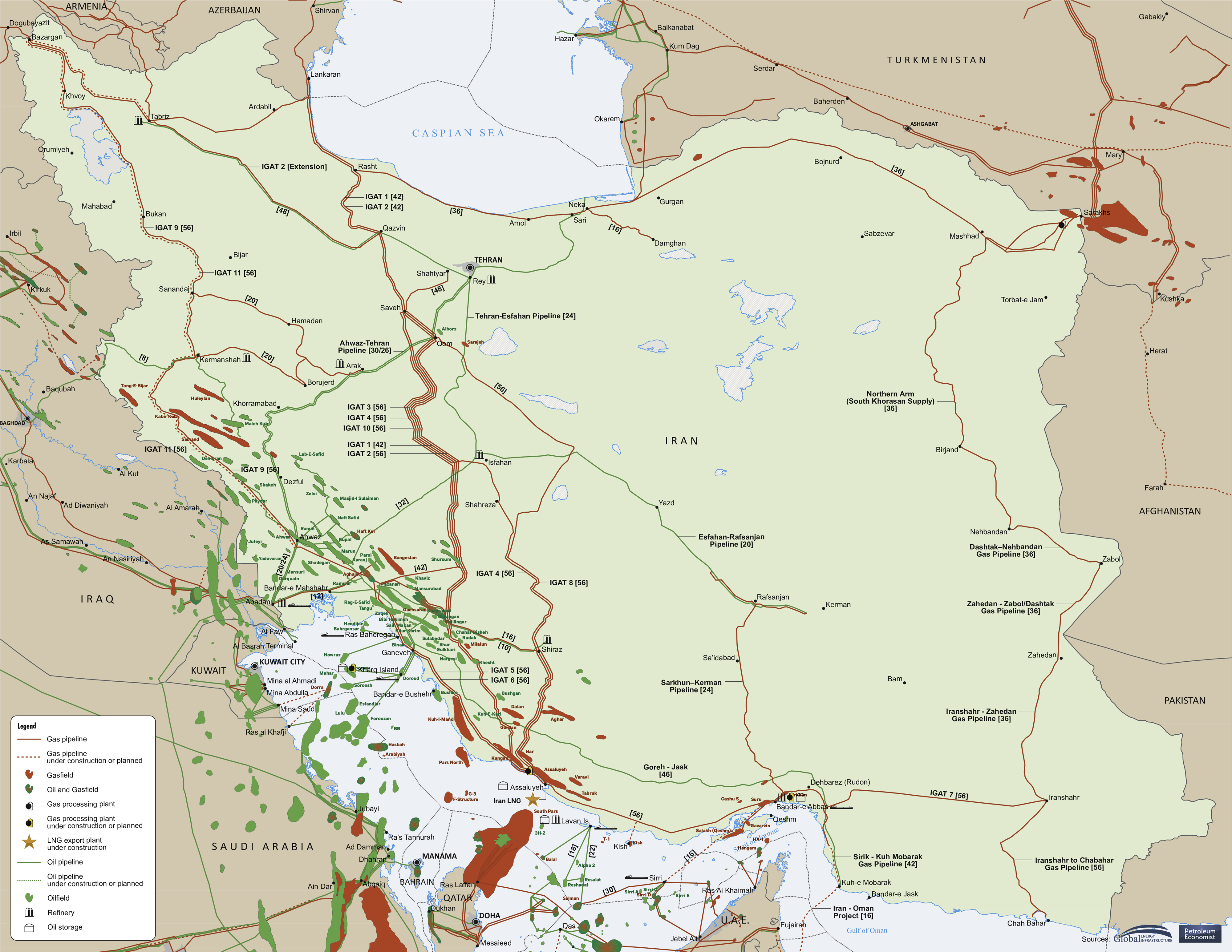
The world's largest oil firm hopes to avert production cuts by rerouting oil to its Red Sea port of Yanbu but sources, including buyers, traders and analysts, said the East-West Pipeline had limited capacity and could become a target of attacks by Iran's allies.
For this map and other related infrastructure developments, visit Global Energy Infrastructure.
The pipeline has a capacity of 5 million barrels per day (bpd) and in 2019 was able to temporarily handle 7 million bpd after natural gas liquid pipelines were converted to carry crude.
Saudi Arabia produced just over 10 million bpd of crude in January, according to OPEC secondary sources.
Aramco has informed some buyers of its Arab Light crude that they must load cargoes at Yanbu, three sources said, adding the company will assess demand and crude availability and inform the buyers.
"There are logistical trade-offs involved, including the reduction of NGLs takeaway capacity and what rate the Yanbu crude terminal on the Red Sea can sustainably load vessels at," said Richard Bronze, co-founder of consultancy Energy Aspects.
Crude loadings at Yanbu hit a peak of just under 1.5 million bpd in April 2020, Kpler data showed.
Aramco declined to comment.
It shut its largest domestic refinery at Ras Tanura on March 2, a source said, after a drone attack.
An industry source earlier told Reuters the company is reviewing all options to bypass the strait, including using the pipeline, which runs from the Abqaiq oilfield.
Global oil and gas prices jumped on March 3 as the U.S.-Israeli war on Iran impacted energy production and exports from the Middle East, with Tehran attacking ships and energy facilities, closing navigation in the Gulf and forcing production stoppages from Qatar to Iraq.