

IEA Approves Record 400 Million-Barrel Emergency Oil Release
IEA member countries agreed to release a record 400 million barrels of oil from emergency reserves as disruptions to shipments through the Strait of Hormuz tighten global energy supplies.
(P&GJ) — Member countries of the International Energy Agency (IEA) have agreed to release 400 million barrels of oil from emergency reserves in the largest coordinated stock draw in the agency’s history, as the war in the Middle East disrupts global supply.
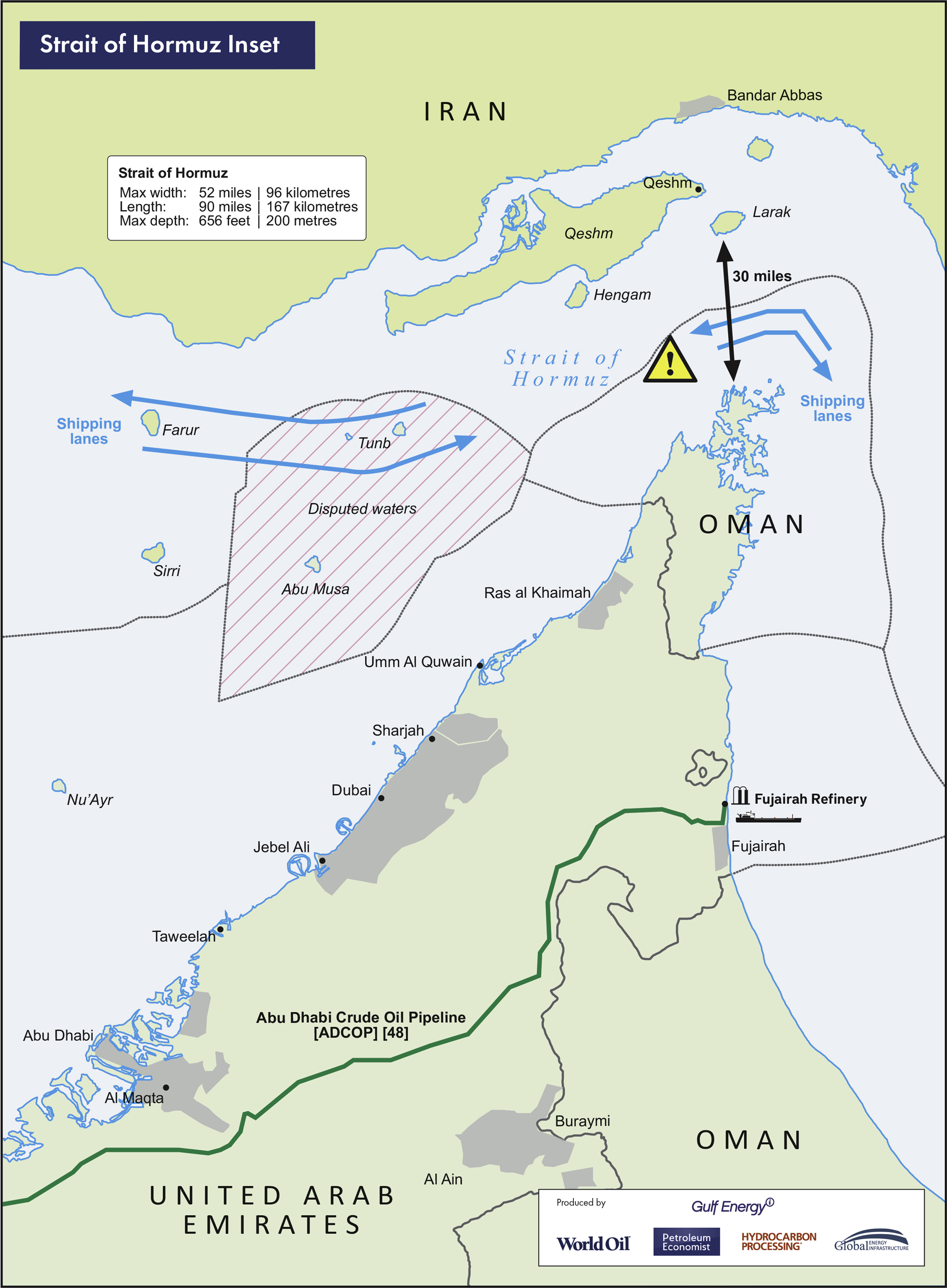
The decision was made following an extraordinary meeting of IEA member governments to assess the impact of the conflict on global oil markets and determine how to address supply disruptions.
“The oil market challenges we are facing are unprecedented in scale, therefore I am very glad that IEA Member countries have responded with an emergency collective action of unprecedented size,” said IEA Executive Director Fatih Birol.
“Oil markets are global so the response to major disruptions needs to be global too. Energy security is the founding mandate of the IEA, and I am pleased that IEA Members are showing strong solidarity in taking decisive action together.”
The emergency oil stocks will be released over a timeframe determined by the national circumstances of each member country and could be supplemented by additional emergency measures.
IEA members collectively hold more than 1.2 billion barrels of emergency oil stocks, with an additional 600 million barrels maintained by industry under government obligations.
The coordinated action marks the sixth emergency stock release in the IEA’s history since the agency was created in 1974. Previous releases occurred in 1991, 2005, 2011 and twice in 2022.
The move comes after the conflict in the Middle East, which began on Feb. 28, significantly disrupted oil flows through the Strait of Hormuz.
Export volumes of crude oil and refined products moving through the strait are currently estimated at less than 10% of pre-conflict levels, forcing operators in the region to shut in or curtail production.
Roughly 20 million barrels per day of crude oil and petroleum products moved through the Strait of Hormuz in 2025, representing about 25% of global seaborne oil trade.
Alternative routes to bypass the strait are limited, increasing the risk of prolonged supply disruptions in global energy markets.
The IEA Secretariat said it will provide additional details on how the coordinated stock release will be implemented and will continue monitoring oil and gas market conditions.