

U.S., Iran Reach Deal to Reopen Strait of Hormuz, Restore Energy Flows
The U.S. and Iran have reached an agreement to end their conflict and reopen the Strait of Hormuz, easing pressure on global oil and LNG markets after months of disruption.
(P&GJ) — The United States and Iran have agreed to end their three-month conflict and reopen the Strait of Hormuz, a move expected to restore a critical energy trade route and ease pressure on global oil and LNG markets. The agreement was announced Sunday, according to PBS NewsHour, which reported that the deal will be formally signed in Switzerland later this week.
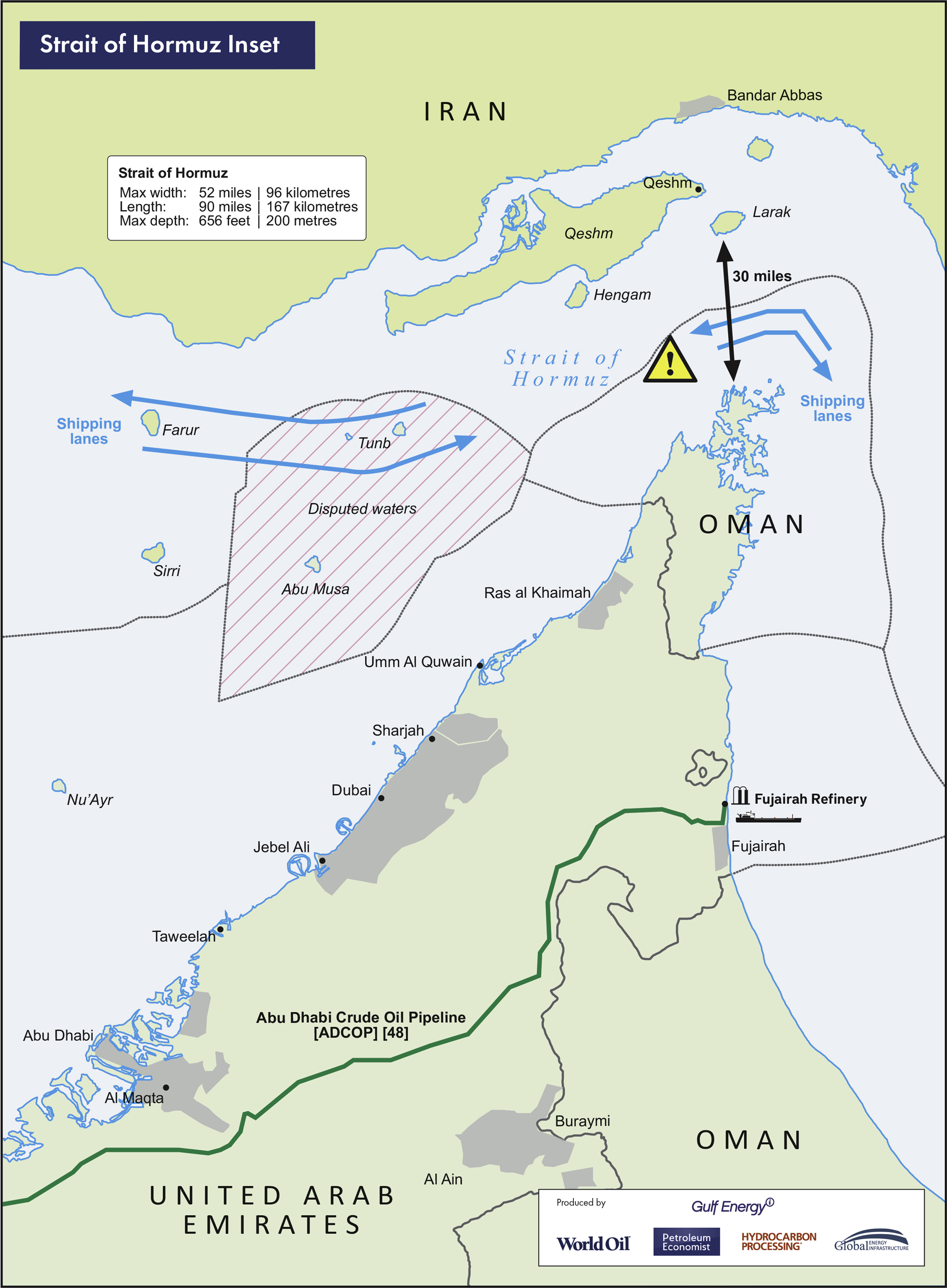
President Donald Trump confirmed the agreement and said he had authorized the immediate end of the U.S. naval blockade on Iranian ports, which was imposed after Iran tightened control over shipping through the strategic waterway. Trump also authorized the reopening of the Strait of Hormuz without restrictions.
Iranian Deputy Foreign Minister Kazem Gharibabadi confirmed the agreement on state television, saying implementation would begin after the deal is signed on June 19. He said the agreement followed lengthy negotiations involving mediators from Qatar.
RELATED: Kuwait Targets 70% Oil Output Recovery Within Weeks of Hormuz Reopening
Pakistani officials, who helped broker the talks, said both sides agreed to permanently halt military operations across the region, including in Lebanon. Additional negotiations are expected over the next 60 days to address unresolved issues, including Iran’s nuclear program.
As reported by PBS NewsHour, the agreement could restore conditions that existed before the conflict, which disrupted global energy markets and highlighted the strategic importance of the Strait of Hormuz for oil, natural gas and petroleum product shipments.
The conflict began Feb. 28 and escalated tensions across the Middle East. While the agreement ends active hostilities, major issues remain unresolved, including the future of Iran’s nuclear activities and sanctions relief. Negotiators are expected to continue talks in the coming weeks.
The Strait of Hormuz remains one of the world's most important energy corridors, carrying a significant share of global crude oil, LNG and refined product exports. Its reopening is expected to improve shipping flows and reduce concerns about supply disruptions that have weighed on energy markets throughout the conflict.